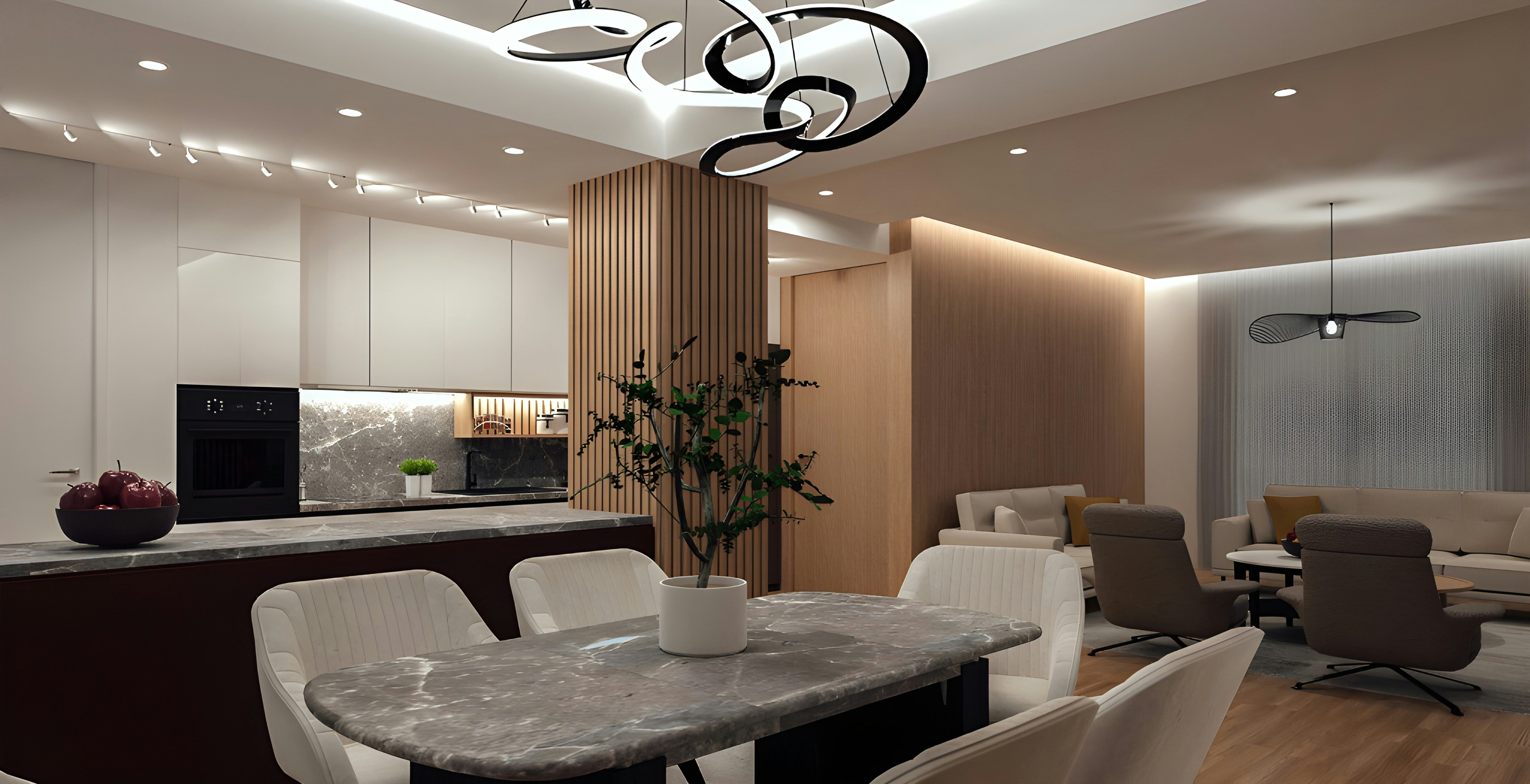
Let me ask you something: when was the last time you really thought about the lighting in your home? For most of us, it's one of those things we take for granted—until it's not quite right. I remember when I first moved into my house; I just slapped up whatever light fixtures were cheap and easy, and boy, did it show. My living room felt cold and uninviting, my bedroom was either too bright or too dim, and my kitchen? Let's just say chopping vegetables became a risky endeavor.
That's when I realized: lighting isn't just about brightness. It's about creating mood, enhancing functionality, and making your space feel like yours. Over the years, I've learned a thing or two about choosing the right lighting for each room, and today I'm sharing my best tips with you.
Living Room: Layer Up for Versatility
The living room is where we do so many different things—watch movies, read books, host friends, play board games. That's why a single overhead light just won't cut it. I like to layer three types of lighting: ambient (general), task (specific), and accent (decorative).
For ambient light, I have a dimmable chandelier that provides soft, overall illumination. For task lighting, I added a floor lamp next to my reading chair and a table lamp on the side table for board games. And for accent lighting, I installed string lights behind my bookshelves to highlight my favorite decor pieces. The best part? I can adjust the dimmer depending on what I'm doing—bright for game nights, low for movie marathons.
Bedroom: Create a Cozy Retreat
Your bedroom should feel like a peaceful sanctuary, and the right lighting can make all the difference. I used to have a harsh overhead light that made my room feel more like a hospital than a haven. Now, I've swapped it out for a pair of dimmable bedside lamps and a string of fairy lights behind my headboard.
The key here is to avoid harsh, direct light. Instead, opt for warm, soft lighting that creates a cozy, relaxing atmosphere. I also love using a sunrise alarm clock that gradually brightens the room in the morning—it's a much gentler way to wake up than a blaring alarm!
Kitchen: Focus on Functionality
In the kitchen, lighting is all about functionality and safety. I have bright, cool white LED lights under my cabinets to illuminate my workspaces. I also have a large pendant light over my island for general tasks like meal prepping and eating. And for a little extra style, I added small accent lights inside my glass-fronted cabinets to highlight my favorite dishes.
When choosing kitchen lighting, consider the tasks you'll be doing and make sure you have enough light to see clearly. Cool white light is best for task areas, while warm white light is better for dining and socializing areas.
Bathroom: Bright and Even
In the bathroom, you want bright, even lighting that's perfect for grooming and getting ready. I have a large mirror with integrated LED lights that provide even illumination without harsh shadows. I also have a dimmable overhead light for when I want a more relaxing atmosphere, like when I'm taking a soak in the tub.
Avoid lighting that's too dim or creates harsh shadows, as it can make grooming tasks more difficult. Bright, even lighting is key for a functional and stylish bathroom.
Choosing the right lighting for each room is about understanding the tasks you'll be doing and the mood you want to create. By layering different types of lighting and choosing the right fixtures, you can transform your home into a beautiful, functional, and inviting space. Happy lighting!