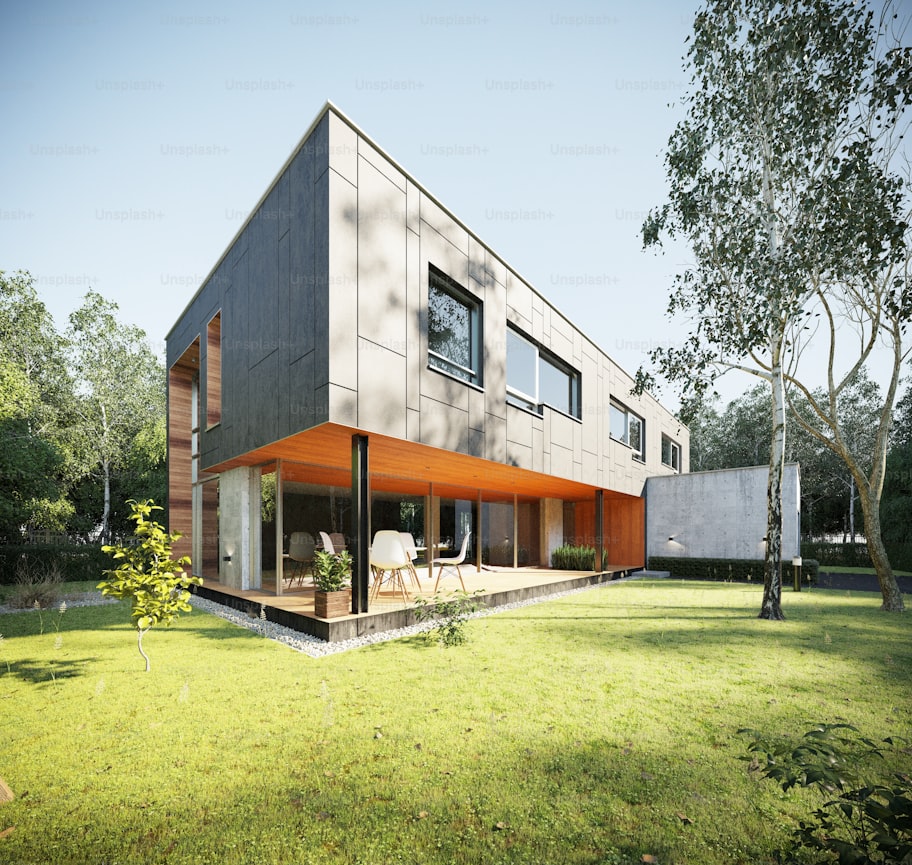
Let's talk about sustainable home design— it's not just a trend, it's a way of living that benefits both our planet and our well-being. I remember when I first started researching sustainable design for my own home; I was overwhelmed by all the information out there. But over time, I've learned that small changes can make a big difference.
Today, I'm sharing my favorite sustainable home design ideas and practices that are both eco-friendly and beautiful. Whether you're building a new home or just looking to make your existing space more sustainable, these tips will help you create a home that's good for you and good for the planet.
Choose Eco-Friendly Materials
One of the most impactful ways to create a sustainable home is to choose eco-friendly materials. I love using reclaimed wood for flooring and furniture— it adds warmth and character to a space while reducing waste. I also look for materials with low VOC emissions, like natural latex mattresses and low-VOC paint.
Another favorite eco-friendly material? Bamboo! It's renewable, durable, and looks beautiful. I used bamboo flooring in my kitchen, and it's held up wonderfully over the years. It's also a great option for cutting boards, utensils, and even furniture.
Embrace Natural Light
Natural light is not only good for the planet (it reduces the need for artificial lighting), but it's also good for our health. I redesigned my living room to maximize natural light by adding larger windows and removing heavy curtains. Now, the space feels bright and airy, and I use my lamps much less during the day.
If you can't add more windows, consider using light-colored paint on your walls and ceilings— it reflects natural light and makes a space feel brighter. I also love using mirrors strategically to bounce light around a room.
Invest in Energy-Efficient Appliances
Energy-efficient appliances can significantly reduce your home's carbon footprint and save you money on your energy bills. When it was time to replace my old refrigerator and dishwasher, I chose ENERGY STAR certified models. They use much less energy and water than traditional appliances, and they've been great for my wallet!
I also switched to LED light bulbs throughout my home— they use up to 75% less energy than traditional bulbs and last much longer. It's a simple, affordable change that makes a big impact.
Don't Forget About Water Conservation
Water conservation is another important aspect of sustainable home design. I installed low-flow showerheads and faucets throughout my home, and I also added a rain barrel to my backyard to collect water for my garden. These simple changes have significantly reduced my water usage.
You can also choose water-efficient appliances, like dishwashers and washing machines, that use less water per load. Every little bit helps in protecting our precious water resources!
Sustainable home design is about making intentional choices that benefit both our planet and our well-being. By focusing on eco-friendly materials, natural light, energy efficiency, and water conservation, you can create a home that's both beautiful and sustainable. Happy greening!