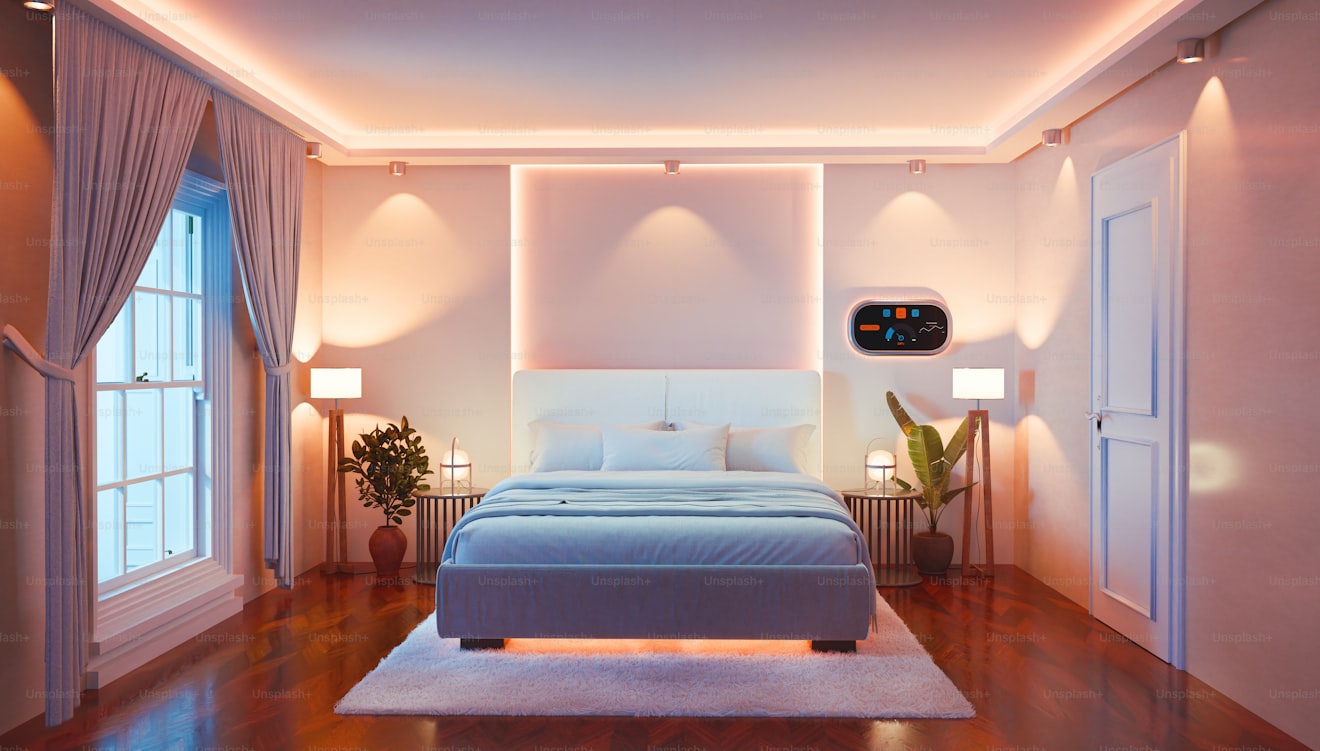
Let's talk about sleep— it's one of the most important things we do, yet it's often the first thing we sacrifice when we're busy. I remember when I was working long hours and not getting enough sleep; I felt exhausted all the time, and my mood and productivity suffered.
That's when I decided to make my bedroom a sleep sanctuary. I invested in a comfortable mattress, added some cozy textiles, and created a calming environment. It made a world of difference! Now, I look forward to going to bed every night, and I wake up feeling refreshed and ready to take on the day.
Today, I'm sharing my tips for creating a comfortable sleep environment in your bedroom. Whether you're struggling with insomnia or just looking to improve the quality of your sleep, these tips will help you create a space that promotes rest and relaxation.
Invest in a Quality Mattress and Pillows
Your mattress and pillows are the foundation of a good night's sleep. I spent a little extra money on a high-quality mattress that supports my body and keeps me comfortable all night long. It was worth every penny!
When choosing a mattress, consider your sleeping position. If you sleep on your side, you'll want a softer mattress that cushions your shoulders and hips. If you sleep on your back or stomach, you'll want a firmer mattress that keeps your spine aligned.
And don't forget about pillows! I have a few different pillows for different sleeping positions. I also like to change my pillows every year or so to make sure they're still providing the support I need.
Choose Calming Colors
The colors in your bedroom can have a big impact on your sleep. I chose calming, neutral colors for my walls and bedding— soft blues, greens, and beiges. These colors are known to promote relaxation and calmness, which is perfect for a bedroom.
Avoid bright, bold colors in your bedroom— they can be stimulating and make it harder to fall asleep. If you love color, use it sparingly in accessories like throw pillows or artwork.
Keep It Dark and Quiet
A dark, quiet room is essential for a good night's sleep. I use blackout curtains to block out light from the street and a white noise machine to drown out any background noise. It's made a huge difference in how quickly I fall asleep and how well I stay asleep.
If you're sensitive to light, consider using a sleep mask. And if you're sensitive to noise, try using earplugs. Every little bit helps in creating a peaceful sleep environment!
Maintain a Comfortable Temperature
The temperature in your bedroom can also affect your sleep. Most people sleep best in a cool room— between 60 and 67 degrees Fahrenheit. I use a programmable thermostat to keep my bedroom at a comfortable temperature all night long.
Choose bedding that's appropriate for the season— lighter fabrics in the summer and heavier ones in the winter. And don't forget to keep your room well-ventilated!
Creating a comfortable sleep environment is about more than just a good mattress— it's about creating a space that promotes rest and relaxation. By focusing on quality bedding, calming colors, darkness, quiet, and temperature, you can transform your bedroom into a true sleep sanctuary. Happy sleeping!