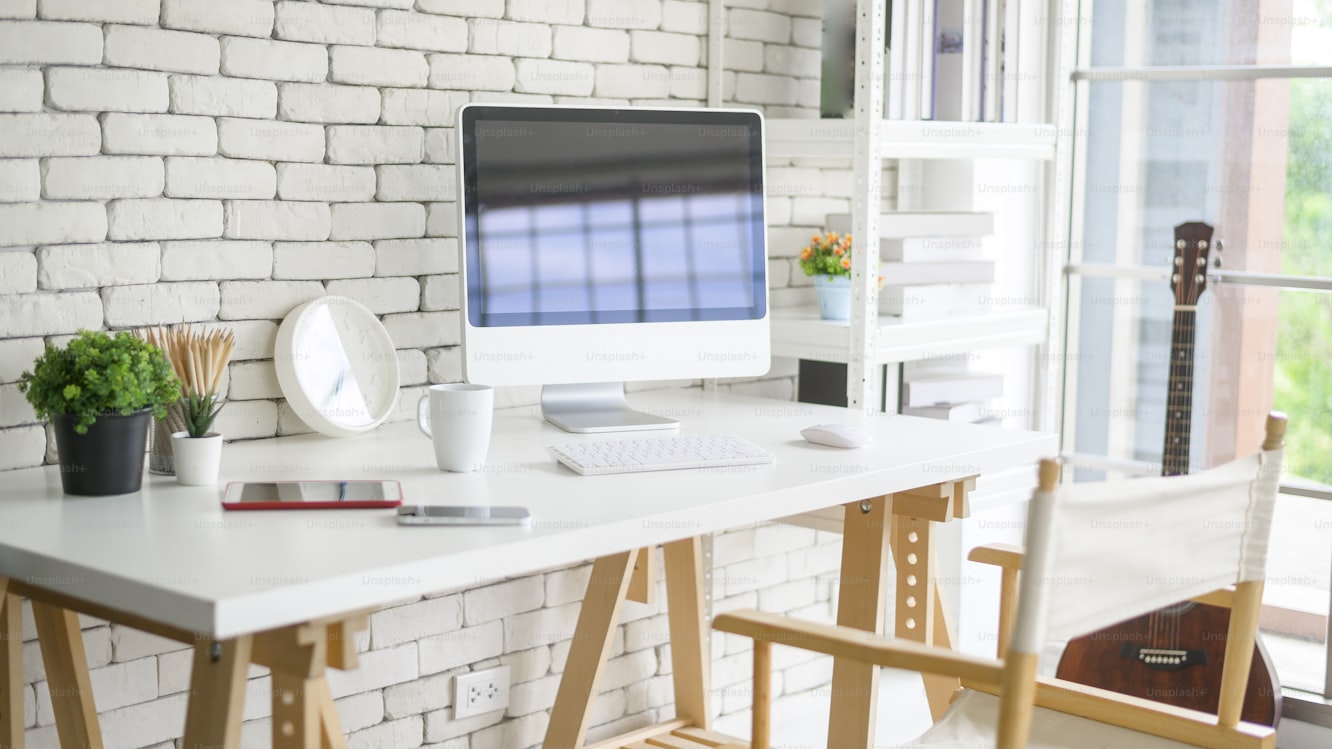
Creating a productive home office is more than just finding a desk and a chair; it's about designing an environment that fosters focus and creativity. I remember when I first started working from home—I was working from my kitchen table, and by 2 PM, my back was aching and I was constantly distracted by the fridge. Once I dedicated a specific corner to my work and optimized it for comfort, my productivity skyrocketed.
The truth is, your workspace shapes your mindset. When you have a dedicated, well-designed office area, your brain learns to associate that space with focus and productivity. It becomes easier to switch into "work mode" and, just as importantly, to switch off at the end of the day.
Ergonomics First
The most important investment you'll make is in a high-quality ergonomic chair. Your body will thank you after a long day of meetings. Ensure your monitor is at eye level to prevent neck strain, and keep your keyboard at a height where your arms can rest comfortably at a 90-degree angle. Small adjustments like these can prevent long-term physical strain and make your workday significantly more comfortable.
I also recommend using a footrest if your feet don't sit flat on the floor, and positioning your screen about an arm's length away. These small ergonomic tweaks might seem minor, but they compound over time—trust me, your future self will be grateful you made the effort.
Lighting for Focus
Natural light is the best productivity booster. If possible, position your desk near a window. For evening work, use a desk lamp with adjustable brightness. Avoid harsh overhead lighting that causes glare on your screen, as this can lead to eye fatigue and headaches.
Consider the color temperature of your bulbs too. Cool white light (around 4000K-5000K) is great for focus and alertness during work hours, while warmer tones help you wind down. I have a smart bulb that I can adjust throughout the day—it's been a simple but effective upgrade.
Minimize Clutter
A cluttered desk leads to a cluttered mind. Use cable management solutions to hide messy wires and keep only the essentials on your desk. Having a clean, organized workspace makes it much easier to dive into deep work without being sidetracked by physical chaos around you.
At the end of each workday, take two minutes to tidy up. Put away loose papers, close your laptop, and clear your desk. This simple habit creates a fresh start each morning and helps you mentally disconnect from work when the day is done.