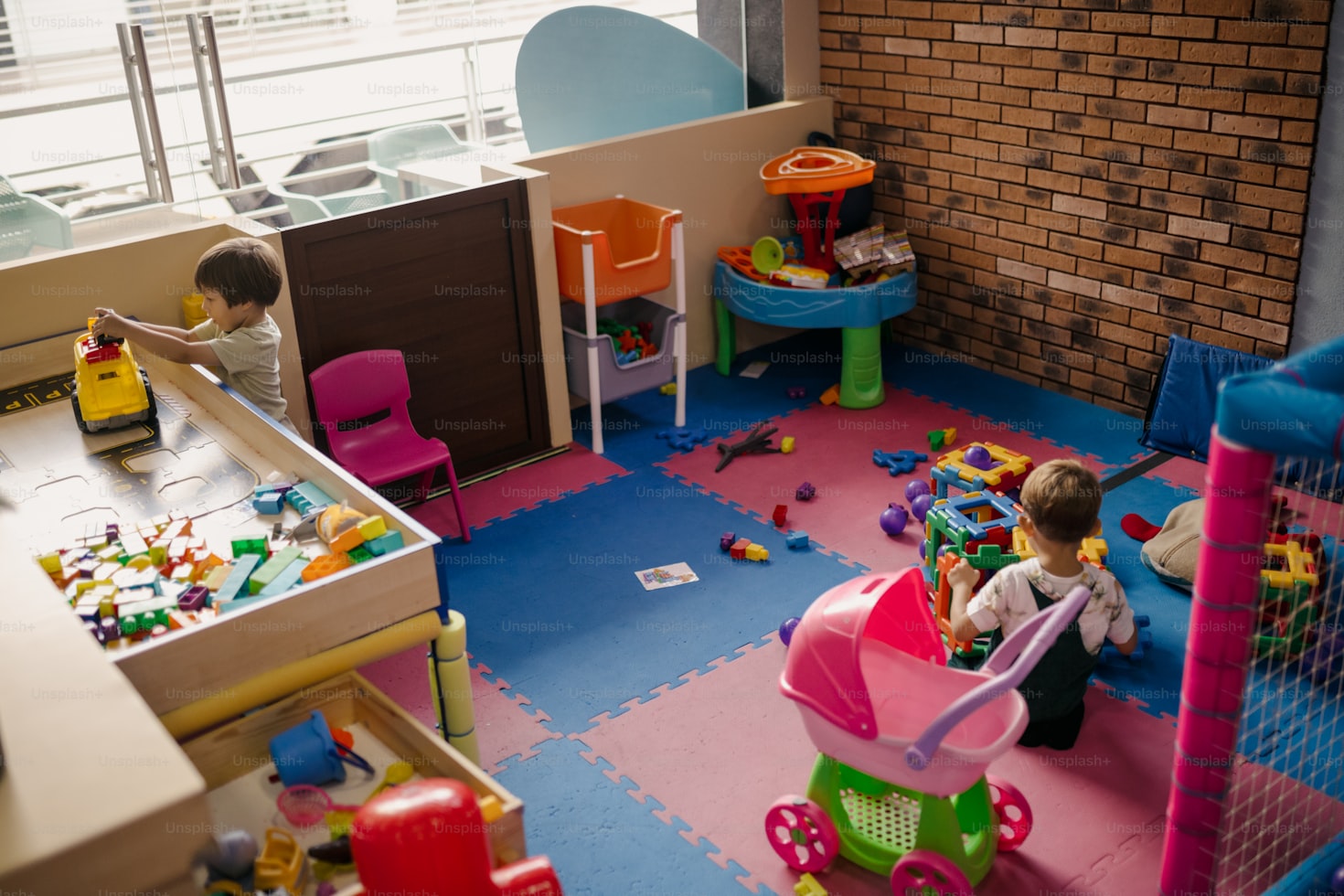
Kids' Room Design and Functionality Planning

By Emma Thompson | Jan 24, 2026

Let's talk about kids' room design— it's a unique challenge because it needs to be both functional and fun. I remember when I was designing my son's n...

Let's talk about kids' room design— it's a unique challenge because it needs to be both functional and fun. I remember when I was designing my son's nursery; I wanted it to be cute and cozy, but also practical for all the baby gear we had. As he's grown older, I've had to adapt the space to meet his changing needs.

Today, I'm sharing my best tips for designing a kids' room that's both functional and fun. Whether you're designing a nursery for a new baby or updating a room for a growing child, these ideas will help you create a space that works for both you and your child.

Plan for Growth

One of the most important things to consider when designing a kids' room is growth. Children grow quickly, and their needs change just as fast. I designed my son's room with growth in mind— I chose furniture that could adapt as he got older.

For example, I started with a crib that converts to a toddler bed, then to a full-size bed. I also chose a dresser that could be used as a changing table initially, then as a regular dresser as he got older. This way, I didn't have to buy new furniture every few years.

Create Zones

Another great tip for kids' room design is to create zones. I divided my son's room into three zones: a sleep zone, a play zone, and a study zone. This helps him stay organized and makes the room more functional.

The sleep zone includes his bed and nightstand. The play zone has a rug, toys, and a small table for activities. The study zone has a desk and bookshelf. As he's grown older, the study zone has become more important, and the play zone has gotten smaller.

Choose Durable Materials

Kids can be hard on furniture and decor, so it's important to choose durable materials. I chose a rug that's stain-resistant and easy to clean. I also chose furniture with rounded edges to prevent injuries.

For bedding, I chose materials that are easy to wash, like cotton. I also avoid delicate fabrics or materials that can easily tear. This way, the room can withstand the wear and tear of everyday use.

Involve Your Child

As your child gets older, involve them in the design process. When my son was old enough to have opinions, I asked him what colors he liked and what themes he was interested in. He chose a space theme, so I incorporated stars and planets into the decor.

Involving your child in the design process helps them feel ownership over their space and makes them more likely to take care of it. It also makes the room feel more personal and special to them.

Maximize Storage

Kids have a lot of stuff— toys, clothes, books, and more. Maximizing storage is essential for keeping a kids' room organized. I added shelves, bins, and drawers to my son's room to keep everything in its place.

One of my favorite storage solutions is under-bed storage. I use plastic bins with wheels that slide under the bed— they're perfect for storing out-of-season clothes or toys that aren't being used regularly.

I also use wall shelves to display books and toys, which keeps them off the floor and makes the room feel more open.

Add Personal Touches

Personal touches make a kids' room feel special. I added a growth chart to my son's room so we can track his growth over the years. I also framed some of his artwork and hung it on the walls.

Another personal touch is a photo wall— I hung photos of my son with family and friends. It's a great way to add personality to the room and create a sense of belonging.

Consider Safety

Safety is a top priority when designing a kids' room. I installed window guards to prevent falls. I also secured furniture to the wall to prevent tipping. For younger children, I used outlet covers and kept small objects out of reach.

As my son has gotten older, I've adjusted the safety measures— I removed the window guards once he was old enough to understand not to climb on the windowsill, and I removed the outlet covers once he was old enough to know not to stick things in the outlets.

Keep It Fun

Last but not least, keep the room fun! Kids' rooms should be a place where they can play, imagine, and be themselves. I added a chalkboard wall to my son's room where he can draw and write. I also added a tent where he can play and read.

For younger children, you might add a play kitchen or a train table. For older children, you might add a basketball hoop or a gaming area. The key is to make the room a place where your child wants to spend time.

Remember, designing a kids' room is a process. It will evolve as your child grows and their needs change. Don't be afraid to make changes as needed.

A well-designed kids' room can make a big difference in your child's life. It can help them feel safe, secure, and happy. It can also make your life easier by keeping everything organized and functional.

So go ahead?create a kids' room that's both functional and fun. Your child will love it, and you will too!

Comments

User Avatar
Jane Doe
Feb 15, 2026

This article was incredibly helpful! I've been struggling with small space design, and your tips on using vertical space have completely changed my approach. Thank you for sharing your expertise!

User Avatar
John Smith
Feb 14, 2026

Great insights on sustainable home design! I've been looking to make my home more eco-friendly, and your tips on energy efficiency and waste reduction are exactly what I needed. Can't wait to implement some of these ideas.

Leave a Comment