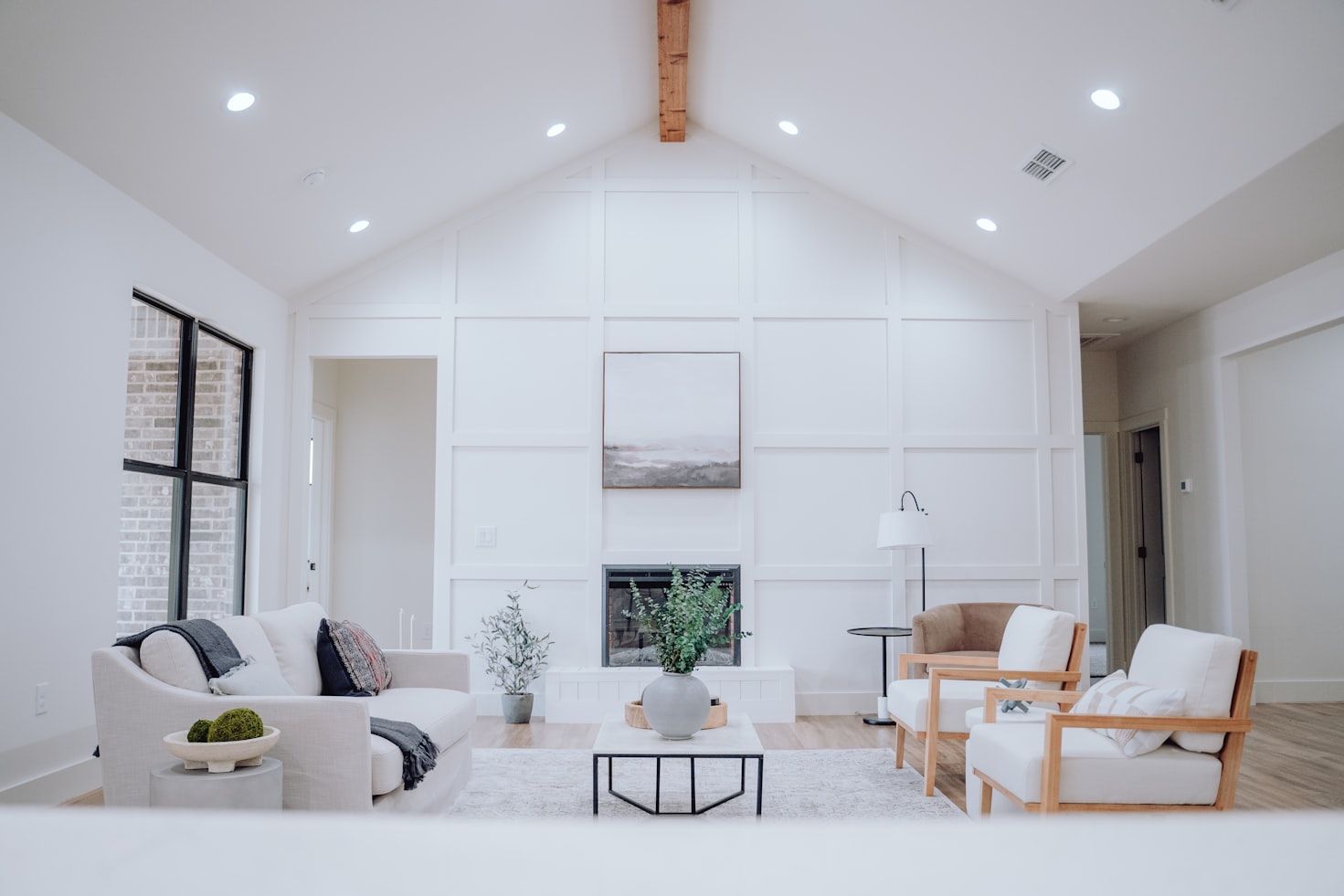
Let's talk about minimalism— it's more than just a design trend; it's a lifestyle choice that can bring calm and clarity to your home. I remember when my apartment was filled with clutter and unnecessary items; I felt overwhelmed and stressed all the time. Once I embraced minimalist design principles, everything changed. My space felt lighter, more peaceful, and surprisingly more functional.
Today, I'm sharing my best tips for incorporating minimalist design into your home. Whether you're looking to completely overhaul your space or just add a few minimalist touches, these ideas will help you create a home that feels calm, organized, and intentionally designed.
Start with Decluttering
The first step in minimalist design is decluttering. It's impossible to create a minimalist space if it's filled with too many things. I started by going through each room and asking myself, "Do I really need this? Does it bring me joy or serve a purpose?"
One of my favorite decluttering strategies is the "one in, one out" rule— whenever I bring a new item into my home, I get rid of an old one. This helps prevent clutter from building up over time.
Don't be afraid to let go of things that no longer serve you. You can donate items in good condition, sell things that have value, or recycle what you can't reuse. Remember, the goal is to surround yourself only with things that you truly need and love.
Choose Quality Over Quantity
In a minimalist home, each item should be carefully chosen. Instead of buying lots of cheap, trendy pieces, invest in a few high-quality items that will stand the test of time. I used to have a closet full of clothes I rarely wore; now I have a smaller collection of well-made, versatile pieces that I love.
This principle applies to furniture too. Instead of filling your space with multiple pieces, choose a few key items that are both functional and beautiful. For example, instead of having a sofa, loveseat, and armchair, opt for a single, comfortable sofa that fits your space well.
Embrace Negative Space
Negative space— the empty areas in your home— is just as important as the items you put in it. I used to think I needed to fill every corner and wall with something, but now I appreciate the calm that comes from having empty space.
Leave some surfaces clear— a coffee table with just a single decorative item, a shelf with empty spots between books, a wall with nothing but a simple piece of art. This negative space gives your eyes a place to rest and makes your home feel more open and peaceful.
Stick to a Neutral Color Palette
Minimalist spaces often feature neutral color palettes— whites, beiges, grays, and blacks. These colors create a calm, cohesive backdrop that allows your carefully chosen items to stand out.
I started with white walls and light gray floors, then added pops of color through small accent pieces like throw pillows or a vase. This way, I can easily change the look of a room without having to repaint or buy new furniture.
When choosing colors, consider the mood you want to create. Cool neutrals like gray and white feel calm and sophisticated, while warm neutrals like beige and taupe feel cozy and inviting.
Focus on Functionality
Minimalist design is all about functionality. Every item in your home should serve a purpose. I got rid of furniture with complicated designs or unnecessary features and replaced them with simple, functional pieces.
For example, instead of a bulky entertainment center with lots of shelves and drawers, I use a simple floating shelf for my TV and media components. Instead of a coffee table with a complicated design, I use a simple wooden table that's just the right size for my space.
Think about how you actually use each space and choose furniture that supports those activities. If you love to read, a comfortable chair and a simple bookshelf are more important than a fancy accent table.
Organize Thoughtfully
Organization is key in a minimalist home. Even with fewer items, you still need a place for everything. I invested in simple, uniform storage solutions— matching baskets, clear containers, and streamlined organizers.
One of my favorite organizing tips is to group similar items together. All my cooking utensils are in one drawer, all my office supplies are in another, and all my cleaning supplies are in a single cabinet. This makes it easy to find what I need and keep my space tidy.
Another great tip is to store items where you use them. Keep cooking supplies near the stove, cleaning supplies near the sink, and bedtime items near the bed. This makes your daily routines more efficient and keeps your space organized.
Add Personal Touches Sparingly
Just because you're embracing minimalism doesn't mean your home has to feel cold or impersonal. You can still add personal touches— just do it sparingly. I have a few framed photos of my family and friends, a small collection of meaningful objects, and a few plants that bring life to my space.
When adding personal touches, choose items that are truly meaningful to you. Instead of displaying every vacation souvenir, choose just a few that bring back the best memories. Instead of hanging every piece of art you own, choose just a few that you love the most.
Maintain Your Space
Minimalist design isn't a one-time project— it's an ongoing practice. I set aside a few minutes each day to tidy up, put things back where they belong, and make sure my space stays organized.
One of my favorite maintenance tips is to do a quick decluttering session every season. I go through my closets and drawers, get rid of anything I haven't used in the past three months, and make sure everything is still organized and in its place.
Remember, minimalism isn't about perfection— it's about creating a space that works for you. If you need a few more items than the typical minimalist, that's okay. The goal is to create a home that feels calm, organized, and reflective of who you are.
Creating a minimalist home is a journey, not a destination. It takes time to let go of old habits and embrace a new way of living. But the rewards— a calmer, more organized, and more intentional home— are well worth it.
So go ahead?start small, be patient with yourself, and enjoy the process of creating a minimalist home that brings you joy and peace.
Comments
Jane Doe
Feb 15, 2026This article was incredibly helpful! I've been struggling with small space design, and your tips on using vertical space have completely changed my approach. Thank you for sharing your expertise!
John Smith
Feb 14, 2026Great insights on sustainable home design! I've been looking to make my home more eco-friendly, and your tips on energy efficiency and waste reduction are exactly what I needed. Can't wait to implement some of these ideas.
Leave a Comment