Sustainable Home Decor: Creating an Eco-Friendly Space

By Ethan Reed | Jan 20, 2026

Let's talk about sustainable home decor?it's a wonderful way to create a beautiful space while also being kind to the planet. I remember when I first ...

Let's talk about sustainable home decor?it's a wonderful way to create a beautiful space while also being kind to the planet. I remember when I first started thinking about sustainability in my home; I was overwhelmed by all the information out there. But I quickly realized that making small, intentional choices can have a big impact.

Today, I'm sharing my best tips for creating a sustainable and eco-friendly home. Whether you're looking to make major changes or just add a few green touches, these ideas will help you create a home that's both beautiful and environmentally conscious.

Choose Sustainable Materials

One of the most important aspects of sustainable home decor is choosing the right materials. Look for items made from renewable, recycled, or upcycled materials. I've replaced many of my plastic household items with bamboo, glass, or stainless steel alternatives.

When shopping for furniture, look for pieces made from sustainably harvested wood, reclaimed wood, or bamboo. These materials are renewable and have a lower environmental impact than traditional hardwoods.

For textiles, choose natural fibers like organic cotton, linen, wool, or hemp. These materials are biodegradable and don't contain the harmful chemicals often found in synthetic fabrics.

Buy Secondhand or Vintage

One of the most sustainable things you can do is to buy secondhand or vintage items. Instead of buying new furniture, check out thrift stores, consignment shops, garage sales, and online marketplaces for unique pieces with character.

I've found some of my favorite home decor items at thrift stores?a vintage wooden dresser, a mid-century modern armchair, and even a set of beautiful glassware. Not only does buying secondhand save money, but it also keeps items out of landfills and reduces the demand for new products.

Another great option is to upcycle or repurpose items you already have. I turned an old wooden ladder into a bookshelf, and I painted a thrifted coffee table to give it a fresh new look. The possibilities are endless!

Reduce Waste

Reducing waste is a key part of sustainable living. I've made a conscious effort to reduce single-use items in my home. I use reusable bags, water bottles, and coffee cups. I also use cloth napkins instead of paper ones and cloth towels instead of paper towels.

When it comes to decor, choose items that are durable and long-lasting. Avoid trendy pieces that you'll likely replace in a few months. Instead, invest in timeless pieces that will stand the test of time.

Another great way to reduce waste is to buy in bulk. I buy staple items like cleaning supplies, toilet paper, and non-perishable food in bulk to reduce packaging waste.

Choose Energy-Efficient Lighting

Lighting can have a big impact on your home's energy consumption. I've replaced all the incandescent bulbs in my home with LED bulbs, which use up to 80% less energy and last much longer.

I also make an effort to use natural light whenever possible. I keep my curtains open during the day to let in sunlight, and I use task lighting instead of overhead lighting when I'm doing specific activities.

For decorative lighting, look for options that use energy-efficient bulbs or even solar power. I have a few solar-powered string lights that I use outdoors, and they work great!

Add Indoor Plants

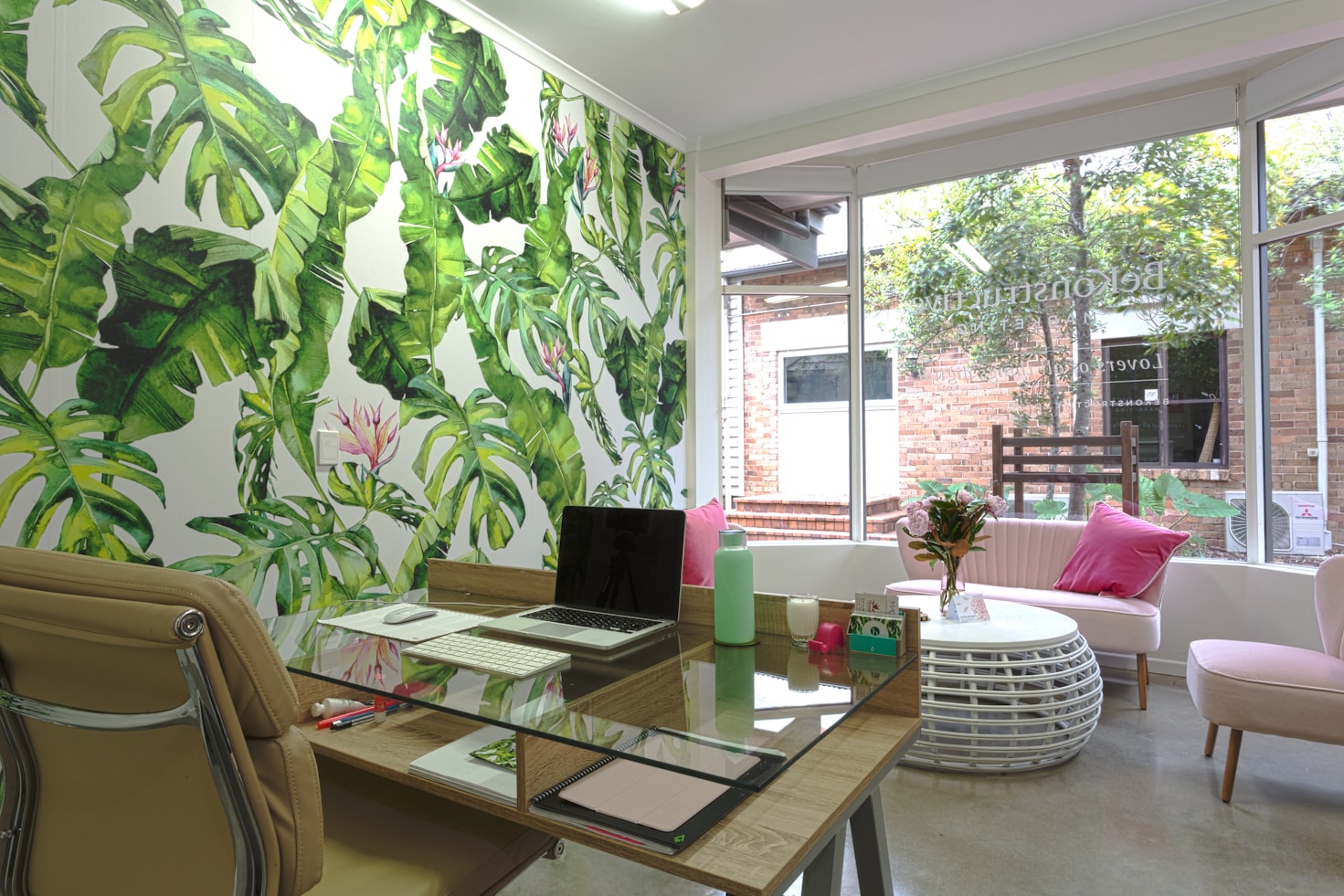
Indoor plants are a wonderful addition to any sustainable home. They not only add beauty and life to your space, but they also help purify the air by removing toxins.

I have several houseplants throughout my home?snake plants, pothos, spider plants, and peace lilies. These plants are easy to care for and are great at improving indoor air quality.

When choosing plants, look for ones that are native to your area. They'll be more adaptable to your home's conditions and will require less water and care.

You can also grow your own herbs or small vegetables indoors. I have a small herb garden on my kitchen windowsill, and it's so satisfying to use fresh herbs in my cooking.

Shop from Sustainable Brands

When you do need to buy new items, look for brands that are committed to sustainability. Many companies now offer eco-friendly alternatives to traditional products.

Look for brands that use sustainable materials, practice ethical manufacturing, and have transparent supply chains. You can also look for certifications like Fair Trade, USDA Organic, or Forest Stewardship Council (FSC) to ensure that products meet certain sustainability standards.

I've found some amazing sustainable brands that offer everything from furniture to home decor to cleaning supplies. It may take a little extra research, but it's worth it to support companies that are doing good for the planet.

DIY Your Decor

DIY projects are a great way to create sustainable home decor. You can make your own decorations using natural or recycled materials, and you'll have the satisfaction of knowing you created something unique.

I've made my own candles using beeswax and essential oils, my own plant pots using recycled materials, and even my own wall art using reclaimed wood and fabric scraps.

Not only are DIY projects sustainable, but they're also a fun way to express your creativity and add personal touches to your home. You don't have to be crafty to do simple DIY projects?there are plenty of easy tutorials online.

Consider the Lifecycle of Products

When choosing home decor items, consider their entire lifecycle?from production to disposal. Look for items that are made to last, can be repaired if needed, and are biodegradable or recyclable at the end of their life.

I try to avoid items with lots of packaging, and I always recycle or compost packaging when I can. I also make sure to dispose of items properly when I no longer need them?recycling what I can and donating items that are still in good condition.

Another thing to consider is the transportation footprint of products. Whenever possible, buy locally made items to reduce the environmental impact of shipping.

Create a Healthy Home

Sustainable home decor isn't just about being kind to the planet?it's also about creating a healthy space for you and your family. I've made an effort to reduce toxins in my home by choosing non-toxic cleaning products, paint, and decor.

Look for products that are free from harmful chemicals like volatile organic compounds (VOCs), phthalates, and formaldehyde. These chemicals can be found in many traditional home products and can have negative effects on your health.

I also make sure to keep my home well-ventilated to improve indoor air quality. I open my windows regularly to let in fresh air, and I use air-purifying plants to help remove toxins from the air.

Remember, creating a sustainable home is a journey, not a destination. It's about making small, intentional choices that add up over time. Don't feel overwhelmed by trying to do everything at once?start with one or two changes and build from there.

The most important thing is to create a home that feels good to you while also being kind to the planet. Every little bit helps, and you'll be amazed at how many simple changes you can make to create a more sustainable space.

So go ahead?start incorporating sustainable practices into your home decor. Your planet (and your home) will thank you for it!

Comments

User Avatar
Jane Doe
Feb 15, 2026

This article was incredibly helpful! I've been struggling with small space design, and your tips on using vertical space have completely changed my approach. Thank you for sharing your expertise!

User Avatar
John Smith
Feb 14, 2026

Great insights on sustainable home design! I've been looking to make my home more eco-friendly, and your tips on energy efficiency and waste reduction are exactly what I needed. Can't wait to implement some of these ideas.

Leave a Comment