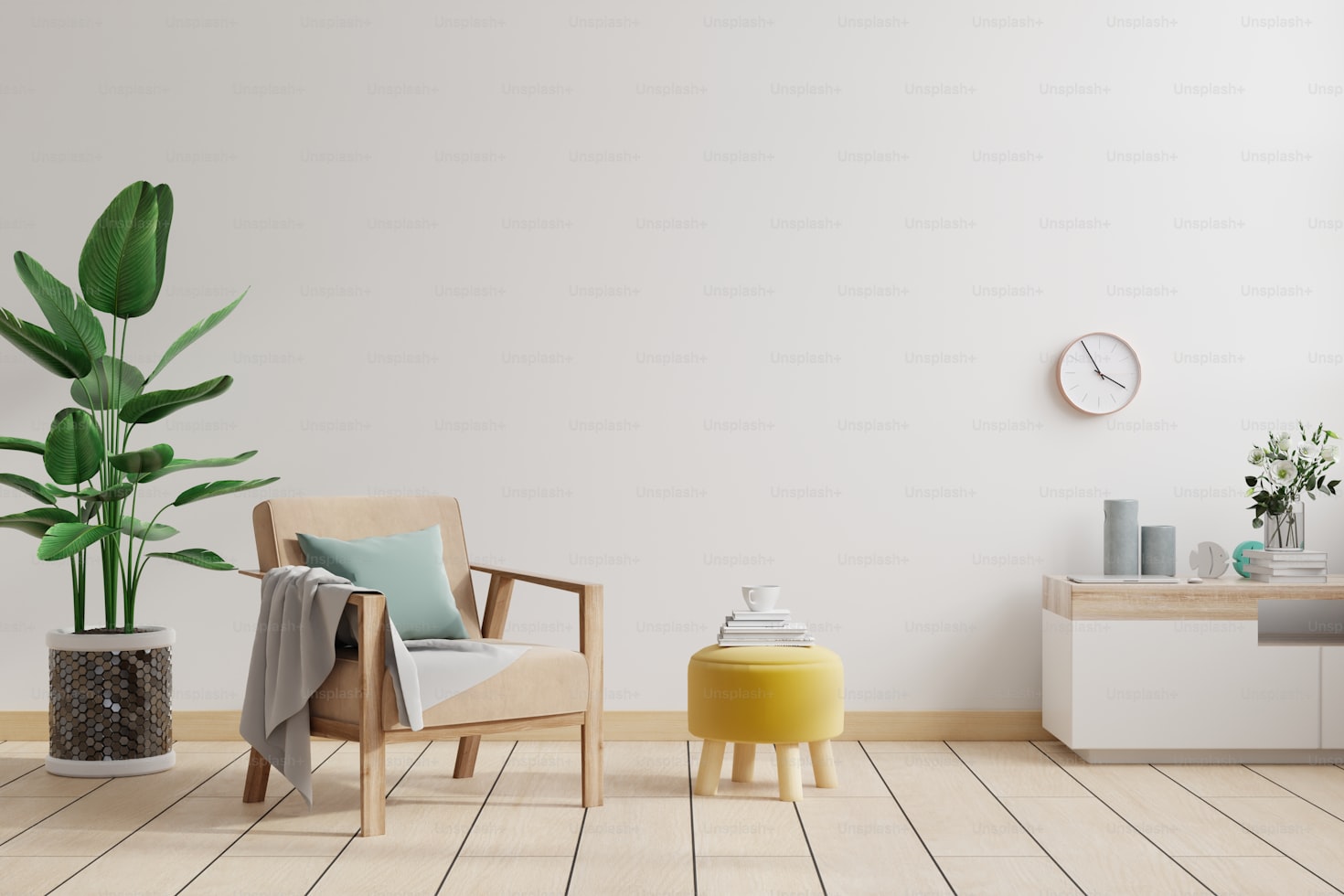
Minimalism is often misunderstood as a cold or empty style, but at its heart, it's about intentionality. By stripping away the non-essential, you create a space that breathes and promotes mental clarity. It's about designing a home that supports your life rather than cluttering it with unnecessary possessions.
When friends visit my minimalist home for the first time, they often say it feels "calm" or "peaceful." That's not by accident. Every item in the space has been chosen deliberately, and every empty space serves a purpose. Minimalism isn't about deprivation—it's about creating room for what genuinely matters to you.
Quality Over Quantity
In a minimalist home, every object counts. Instead of filling a room with cheap, trendy items, save up for one beautiful piece that you truly love. This approach leads to a more curated and timeless look. A single well-crafted wooden table has more presence and soul than a room full of clutter.
I applied this principle when furnishing my living room. Instead of buying a cheap sofa set, I invested in one high-quality sectional that I absolutely love. Three years later, it still looks and feels brand new. The upfront cost was higher, but the long-term value far exceeds what I would have spent replacing cheaper pieces.
Negative Space is Your Friend
Don't feel the need to fill every empty corner or wall. Negative space—the empty areas around your furniture—gives the eye a place to rest and makes the room feel larger and more open. It allows the pieces you do have to stand out and be appreciated for their design and form.
Think of negative space like the pauses in music. Without silence between notes, there's no melody. In the same way, the empty spaces in your home give meaning to the objects you've chosen to keep. They let your favorite pieces breathe and be noticed.
Hidden Storage Solutions
To maintain a clean, minimalist look, you need effective storage. Look for furniture with hidden compartments, like a bed frame with drawers or a sleek media console that hides all the cables and tech. When the 'noise' of daily life is tucked away, the home feels instantly more serene and organized.