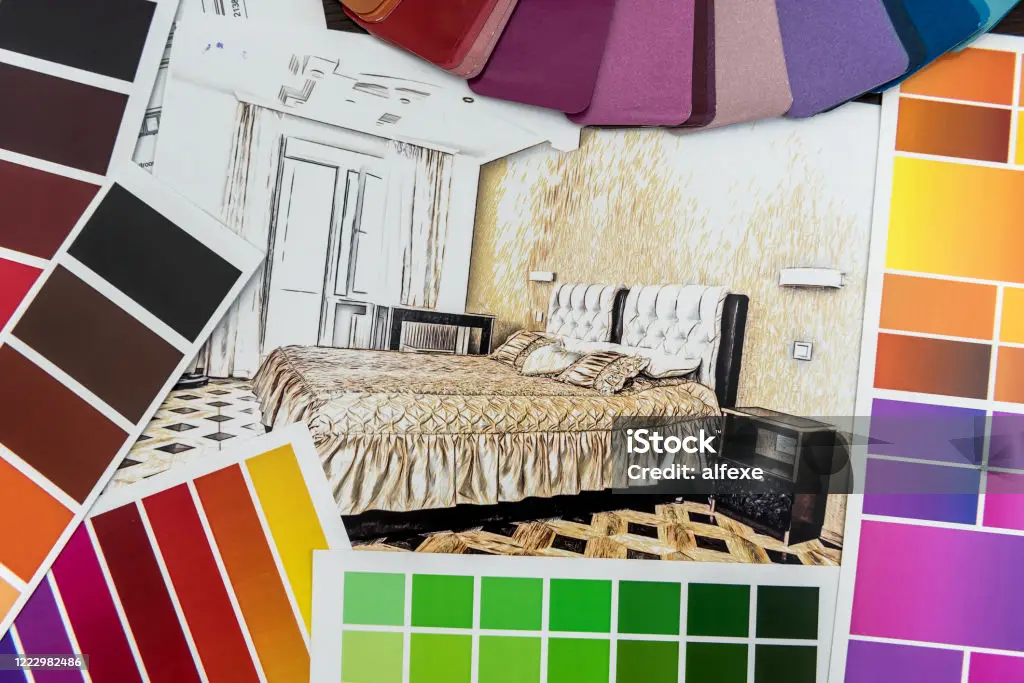
Color Palette Tips: How to Choose the Perfect Colors for Different Rooms

By Olivia Taylor | Jan 19, 2026

Let's talk about color—because the right color palette can transform a room from ordinary to extraordinary. I've always been fascinated by how color a...

Let's talk about color—because the right color palette can transform a room from ordinary to extraordinary. I've always been fascinated by how color affects our mood and the overall feel of a space. Over the years, I've experimented with all kinds of color schemes, from bold and vibrant to soft and neutral. Today, I'm sharing my best tips for choosing the perfect colors for different rooms in your home.

First things first: understand the basics of color theory. You don't need to be an expert, but a little knowledge goes a long way. The color wheel is your friend! Complementary colors (opposite each other on the wheel, like blue and orange) create a bold, energetic look. Analogous colors (next to each other, like blue and green) create a calm, cohesive feel. Neutral colors (whites, grays, beiges) provide a timeless backdrop that allows other elements to shine.

Living Room: Create a Welcoming Space

The living room is often the heart of the home, where family and friends gather. For this space, I like to use warm, inviting colors. A soft beige or light gray on the walls creates a neutral base, while pops of color in pillows, rugs, and artwork add personality. If you're feeling bold, consider a statement wall in a rich blue or deep green. Just remember to balance bold colors with plenty of neutrals to avoid overwhelming the space.

Bedroom: Foster Relaxation and Rest

Your bedroom should be a sanctuary—a place to unwind and recharge. Soft, calming colors work best here. I love using muted blues, gentle greens, or warm beiges on the walls. These colors have a soothing effect that promotes relaxation. Avoid bright, stimulating colors like red or orange, which can make it harder to fall asleep. Instead, use these colors sparingly in accents if you want to add a pop of energy.

Kitchen: Energize and Inspire

The kitchen is where we cook, eat, and often gather for casual meals. It's a space that benefits from energizing colors. Bright whites keep the space feeling clean and open, while pops of color add personality. I love using cheerful yellows, fresh greens, or vibrant blues in kitchen cabinets or backsplashes. These colors stimulate the appetite and create a lively atmosphere. Just be sure to choose colors that are easy to clean and won't show stains easily.

Bathroom: Create a Spa-Like Retreat

Your bathroom should feel like a mini spa—a place to pamper yourself. Soft, clean colors work best here. Light blues, gentle greens, or crisp whites create a fresh, clean feel. These colors evoke the feeling of water and nature, which is perfect for a bathroom. Consider adding texture with tiles or wallpaper to add interest without overwhelming the space. And don't forget about lighting—warm, soft lighting will enhance the spa-like atmosphere.

Home Office: Boost Productivity and Focus

Your home office should be a space that helps you stay focused and productive. Colors that promote concentration are key here. Soft blues and greens are great choices—they're calming but not sleepy. Avoid overly bright or distracting colors, which can make it hard to focus. If you want to add energy to the space, consider a pop of orange or red in a piece of artwork or a desk accessory. These colors can boost creativity and motivation.

Children's Room: Spark Imagination and Fun

A children's room should be a space that sparks imagination and reflects their personality. Bold, vibrant colors are perfect here. Bright yellows, blues, greens, and pinks create a fun, energetic atmosphere. Consider using a neutral base on the walls and adding color with bedding, curtains, and toys. This way, you can easily update the space as your child grows and their tastes change.

How to Test Colors Before Committing

One of the biggest mistakes people make when choosing colors is not testing them first. Paint chips can be misleading—colors look different in different lighting conditions and against different surfaces. I always recommend buying a small sample of paint and painting a large swatch on the wall. Live with it for a few days, checking it at different times of day to see how the light affects it. You can also test fabric samples and decor items in the space to make sure everything coordinates.

Don't Be Afraid to Mix and Match

Remember, there are no hard and fast rules when it comes to color. The most important thing is that you love the colors you choose. Don't be afraid to mix and match different hues and patterns to create a space that feels uniquely yours. If you're unsure, start small—add color with accessories like pillows, rugs, and artwork before committing to a bold wall color.

Choosing the right color palette for your home is a journey, not a destination. It's okay to experiment and make changes as your tastes evolve. The key is to create spaces that feel good to you and reflect your personality. So go ahead, have fun with color, and watch as it transforms your home into a space you love.

Comments

User Avatar
Jane Doe
Feb 15, 2026

This article was incredibly helpful! I've been struggling with small space design, and your tips on using vertical space have completely changed my approach. Thank you for sharing your expertise!

User Avatar
John Smith
Feb 14, 2026

Great insights on sustainable home design! I've been looking to make my home more eco-friendly, and your tips on energy efficiency and waste reduction are exactly what I needed. Can't wait to implement some of these ideas.

Leave a Comment