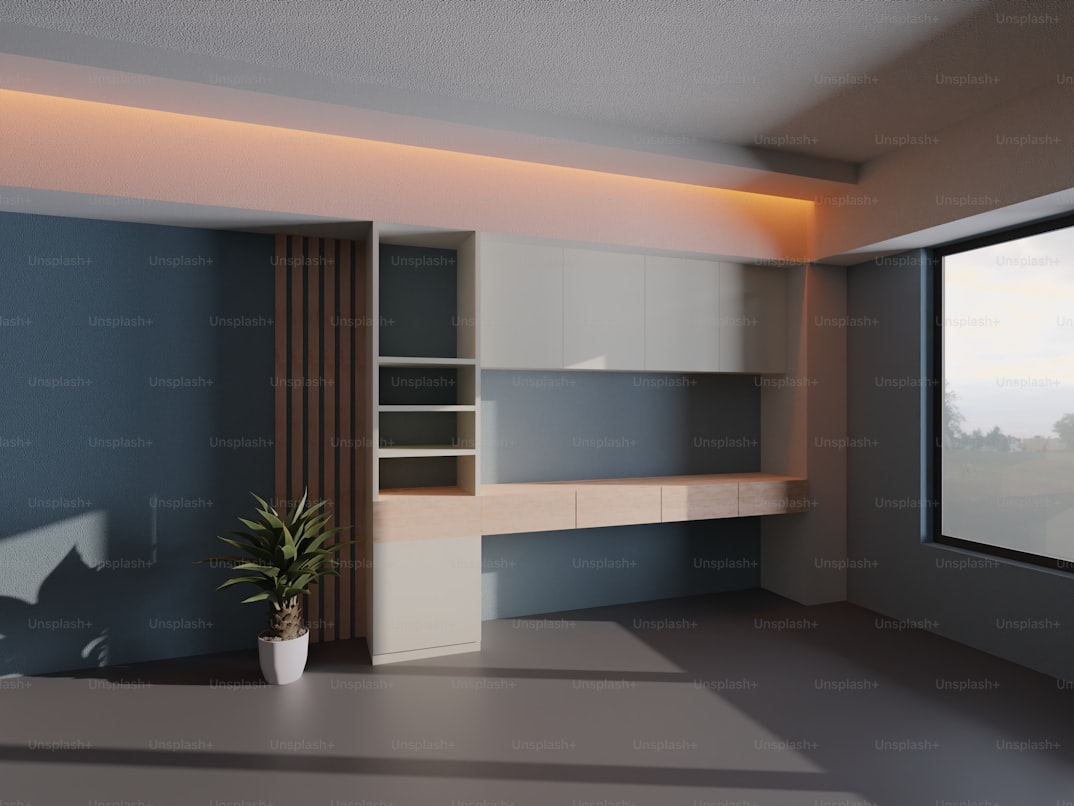
Let's talk about lighting—because it's one of the most overlooked but powerful elements of home design. Good lighting can transform a space, creating mood, enhancing functionality, and highlighting your favorite features. I've always been passionate about lighting design, and over the years, I've learned how to use layered lighting to create beautiful, functional spaces. Today, I'm sharing my best tips for enhancing your home with lighting.
First, let's talk about the three layers of lighting: ambient, task, and accent. Ambient lighting is the general, overall light in a room. Task lighting is focused light for specific activities like reading or cooking. Accent lighting is used to highlight features like artwork or architectural details. A well-lit room should have all three layers working together.
Ambient Lighting: Set the Foundation
Ambient lighting is the base layer that provides overall illumination. It should be soft and even, without harsh shadows. For living rooms and bedrooms, I like using recessed lighting or flush-mount ceiling fixtures. For dining rooms and entryways, a chandelier or pendant light can add style while providing ambient light. If you have high ceilings, consider using a semi-flush mount fixture to bring the light closer to the space.
Task Lighting: Focus on Function
Task lighting is all about functionality. It provides focused light where you need it most. For reading, a table lamp with a adjustable arm works well. For cooking, under-cabinet lighting in the kitchen is essential. For working, a desk lamp with a bright, directional light is key. When choosing task lighting, consider the specific activity and the amount of light needed. Adjustable fixtures are great because they allow you to direct light exactly where you need it.
Accent Lighting: Add Drama and Interest
Accent lighting is the finishing touch that adds drama and interest to a space. It's used to highlight features like artwork, architectural details, or plants. Picture lights above artwork create a gallery-like feel. Wall sconces can highlight architectural features or create a warm glow in a hallway. Floor lamps with uplights can wash walls with light, creating a soft, ambient effect. Accent lighting should be subtle—you want to highlight the feature, not the light itself.
Choose the Right Bulbs
The type of bulb you choose can make a huge difference in the look and feel of your space. LED bulbs are energy-efficient and come in a variety of color temperatures. Warm white (2700K-3000K) creates a cozy, inviting atmosphere—perfect for living rooms and bedrooms. Cool white (3500K-4100K) is brighter and more energizing—great for kitchens and home offices. Daylight (5000K-6500K) mimics natural sunlight—good for task lighting in areas where you need to see details clearly.
Consider Dimmers
Dimmers are a game-changer when it comes to lighting design. They allow you to adjust the light level to suit different activities and moods. Bright light for reading or cooking, softer light for relaxing or entertaining. I install dimmer switches in every room of my home—it's one of the best investments I've made. Dimmers also extend the life of your bulbs and save energy.
Layer Lighting in Different Heights
To create visual interest, layer lighting at different heights. A combination of ceiling fixtures, table lamps, floor lamps, and wall sconces creates a dynamic, well-lit space. For example, in a living room, you might have recessed lighting (ceiling), a table lamp (eye level), and a floor lamp (tall) working together. This creates depth and makes the space feel more inviting.
Use Lighting to Define Zones
Lighting can be used to define different zones in an open-concept space. For example, in an open living/dining/kitchen area, you might use a chandelier over the dining table, recessed lighting in the living room, and under-cabinet lighting in the kitchen. This helps visually separate the spaces while maintaining a cohesive look.
Don't Forget About Natural Light
Natural light is the best light source—don't forget to incorporate it into your lighting design. Maximize natural light by using light-colored curtains or blinds that let in light while providing privacy. Position mirrors to reflect natural light and make the space feel brighter. During the day, rely on natural light as your primary light source, then use artificial lighting to supplement as needed.
Lighting Tips for Small Spaces
In small spaces, lighting can make a big difference. Use wall-mounted fixtures instead of table lamps to save space. Recessed lighting keeps the ceiling uncluttered, making the space feel larger. Mirrors can reflect light and create the illusion of more space. Avoid heavy, oversized fixtures that can overwhelm a small room.
Remember, lighting design is all about creating a space that feels good to you. Don't be afraid to experiment with different light sources and levels to find what works best for your home. With a little thought and planning, you can transform your space with lighting that's both beautiful and functional.
So go ahead, light up your home and watch as it transforms into a space that's warm, inviting, and perfectly suited to your needs. Happy designing!
Comments
Jane Doe
Feb 15, 2026This article was incredibly helpful! I've been struggling with small space design, and your tips on using vertical space have completely changed my approach. Thank you for sharing your expertise!
John Smith
Feb 14, 2026Great insights on sustainable home design! I've been looking to make my home more eco-friendly, and your tips on energy efficiency and waste reduction are exactly what I needed. Can't wait to implement some of these ideas.
Leave a Comment