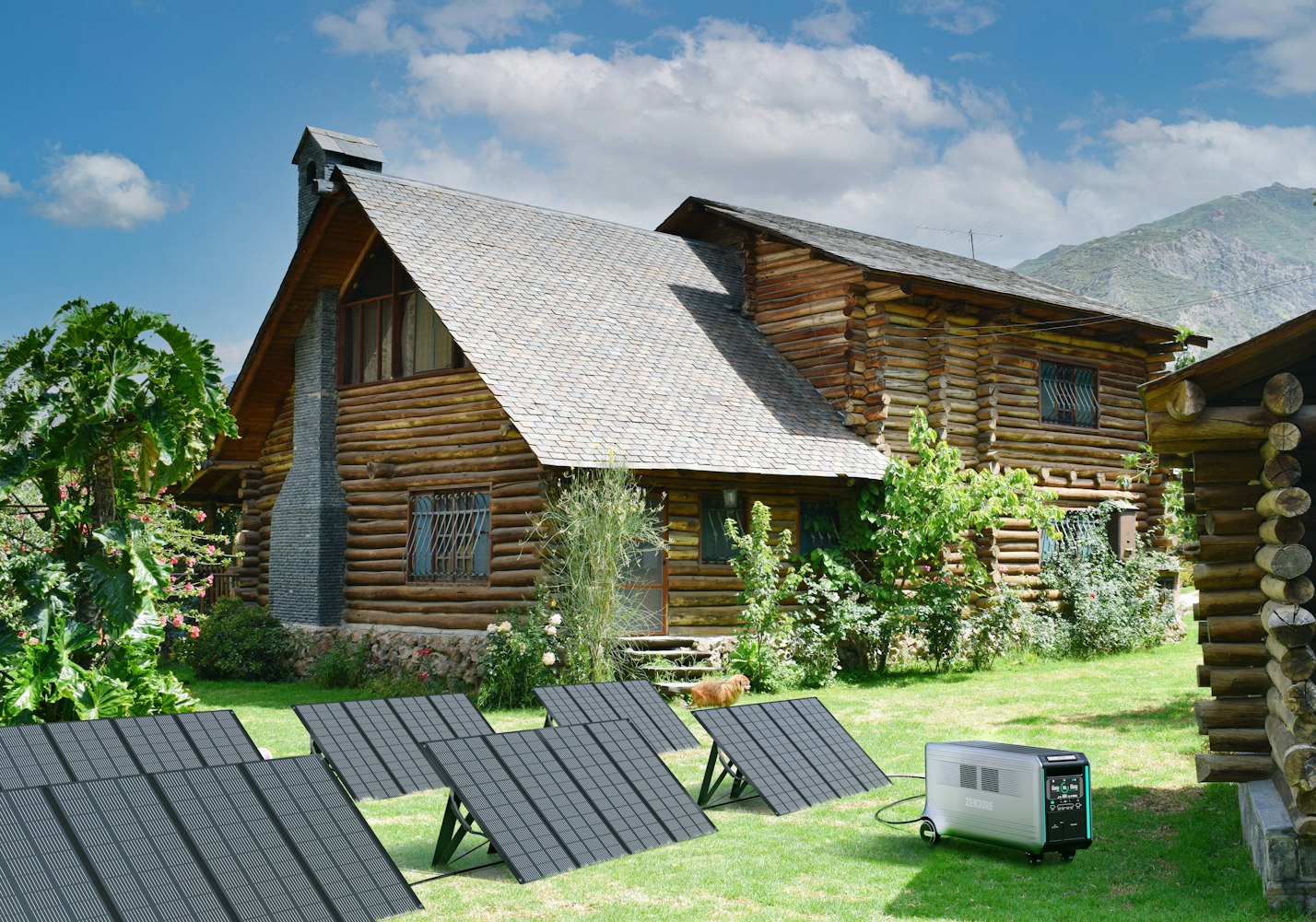
Green Home Design: Sustainable Materials and Eco-Friendly Practices

By Eco Home Advocate | Jan 26, 2026

Hey there! Let's talk about sustainable home design—not just because it's good for the planet, but because it's good for you too. I've been on a journ...

Hey there! Let's talk about sustainable home design—not just because it's good for the planet, but because it's good for you too. I've been on a journey to make my home more eco-friendly over the past few years, and I've learned that small changes can make a big difference. Let's dive into some ideas that might help you create a home that's both beautiful and kind to the earth.

First things first: what exactly is sustainable home design? It's all about using materials and practices that minimize your environmental impact—think renewable resources, energy efficiency, and waste reduction. But here's the best part: sustainable design doesn't have to be boring or expensive. In fact, many eco-friendly choices can save you money in the long run!

Eco-Friendly Materials

When it comes to sustainable home design, the materials you choose matter. Look for materials that are renewable, recycled, or locally sourced. Bamboo, for example, is a great choice for flooring or furniture—it grows quickly and is incredibly durable. Reclaimed wood adds character and warmth to your space while keeping old wood out of landfills. And cork is another fantastic option—it's renewable, hypoallergenic, and has natural insulation properties.

Paint the Green Way

Did you know that traditional paint can release harmful chemicals into your home? Opt for low-VOC (volatile organic compounds) or zero-VOC paints instead. They're better for the environment and better for your indoor air quality. I recently painted my bedroom with zero-VOC paint, and I noticed a huge difference—no strong chemical smell, and I felt better knowing I wasn't breathing in toxins.

Energy Efficiency

Making your home more energy-efficient is one of the best ways to reduce your environmental impact. Start with simple changes like switching to LED light bulbs—they use up to 75% less energy than traditional bulbs and last much longer. Seal any drafts around windows and doors to keep your home comfortable without wasting energy. And consider investing in energy-efficient appliances—they may cost more upfront, but they'll save you money on your utility bills over time.

Water Conservation

Water is a precious resource, so every drop counts. Install low-flow faucets, showerheads, and toilets to reduce water usage. Fix any leaks promptly—even a small drip can waste gallons of water over time. And if you have outdoor space, consider collecting rainwater for watering plants or installing a drip irrigation system. I installed a rain barrel last year, and it's been a game-changer for my garden!

Natural Light and Ventilation

Take advantage of natural light and ventilation whenever possible. Open your windows to let in fresh air instead of relying on air conditioning. Use window treatments to control the amount of sunlight entering your home—this can help keep your home cool in the summer and warm in the winter. And consider adding skylights or solar tubes to bring more natural light into darker spaces. Natural light not only reduces your energy usage but also boosts your mood!

Upcycle and Repurpose

Instead of buying new furniture or decor, try upcycling or repurposing what you already have. I turned an old wooden ladder into a bookshelf, and it's now one of my favorite pieces in my home. You can also repurpose old jars as storage containers, use vintage fabric as pillow covers, or turn old pallets into outdoor furniture. The possibilities are endless!

Indoor Plants

Indoor plants are nature's air purifiers—they remove toxins from the air and add life to your space. Plus, they're a great way to bring the outdoors in. I have plants in every room of my home, and they make me happy every time I look at them. Some of my favorites for air purification include snake plants, pothos, and peace lilies.

Creating a sustainable home is a journey, not a destination. Don't feel like you have to make all these changes at once—start with one or two things that resonate with you, and go from there. Every small step you take makes a difference, not just for the planet, but for your health and well-being too. Remember, a sustainable home is a happy home—for you and for generations to come. Let's make our homes a little greener, one choice at a time!

Comments

User Avatar
Jane Doe
Feb 15, 2026

This article was incredibly helpful! I've been struggling with small space design, and your tips on using vertical space have completely changed my approach. Thank you for sharing your expertise!

User Avatar
John Smith
Feb 14, 2026

Great insights on sustainable home design! I've been looking to make my home more eco-friendly, and your tips on energy efficiency and waste reduction are exactly what I needed. Can't wait to implement some of these ideas.

Leave a Comment